This Val d'Isère ski guide is what I tell my own clients: where to ski for your level, when to come, how to plan your days, and the small things that make a week here easier.
I have been skiing for more than 50 years and teaching for more than 30. I have skied in over 60 resorts across the French Alps and Pyrenees, Switzerland, Italy, Spain and Andorra - and Val d'Isère is where I always come back. I have skied here since the late 1970s and taught here for more than 20 years.
Why Val d'Isère
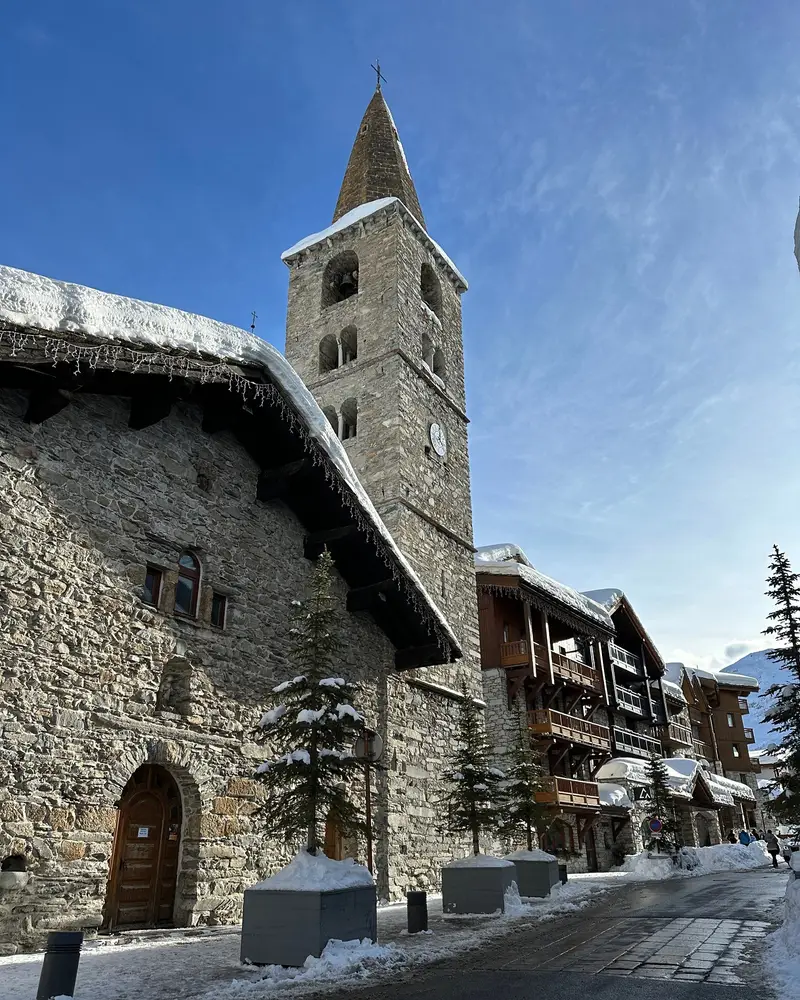
Modern lifts, short queues and a well-designed layout open up an exceptional variety of terrain - without a forest of pylons. Strong skiers and first-timers both have areas designed for them, the mountain restaurants are as good as the lifts, and when the skiing stops, the village keeps its authentic mountain charm.
Val d'Isère at a glance
- Village
- 1,850 m
- Ski area
- About 150 km of pistes in Val d'Isère, more than 300 km with Tignes
- Season
- Late November to early May
- From the village
- Two gondolas, to Solaise and to Bellevarde
- With an instructor
- Priority lanes at every lift
Solaise or Bellevarde? The ski area at a glance
From the front de neige, the morning question is always the same: Solaise or Bellevarde? Two state-of-the-art gondolas take you to the top in a few minutes.
Solaise and the Pissaillas glacier
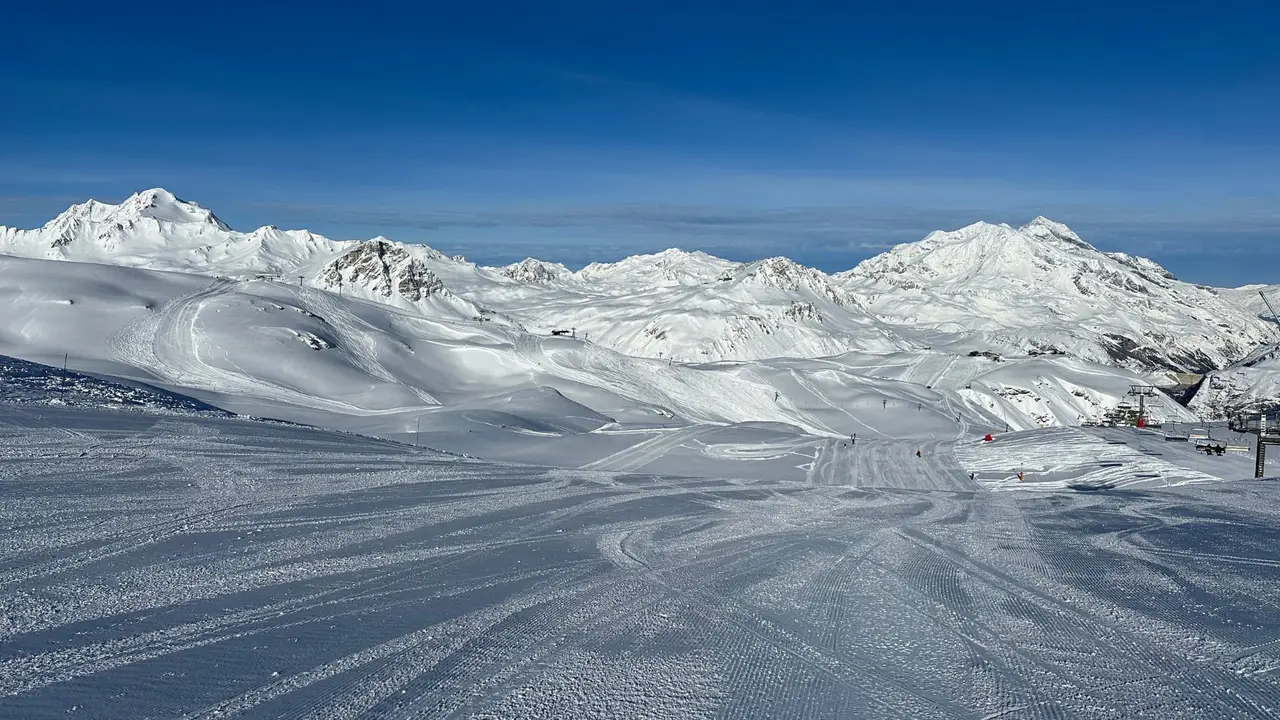
Towards the south-east and the Italian border, Solaise offers a north-facing glacial bowl above 2,500 m, which keeps the snow in great condition. The famous up and over Leissières chairlift crosses the mountain to the Pissaillas glacier, above 3,000 m. As long as you stay high, the pistes are fairly gentle, so intermediate skiers can roam without stress. Note that the run from Solaise back down to the village is quite technical.
Le Fornet and Le Laisinant
From the Pissaillas, you can ski down to the traditional hamlet of Le Fornet. The descents below Le Signal restaurant run through the larch forest: choose your route carefully, as some are steep and best left to strong skiers. Between Le Fornet and Le Laisinant lies a maze of off-piste lines in the trees - some of my secret spots, which I am happy to share with good skiers.
Bellevarde and La Daille
To the west, the Bellevarde plateau has wide, varied pistes where intermediates can clock up the kilometres. Experienced skiers will love the legendary race runs: the Face de Bellevarde and the OK down to La Daille, which host the Alpine Ski World Cup each December. Bellevarde is also the way to Tignes: together, the two resorts form the Espace Killy, with more than 300 km of marked pistes.
Is Val d'Isère for beginners?
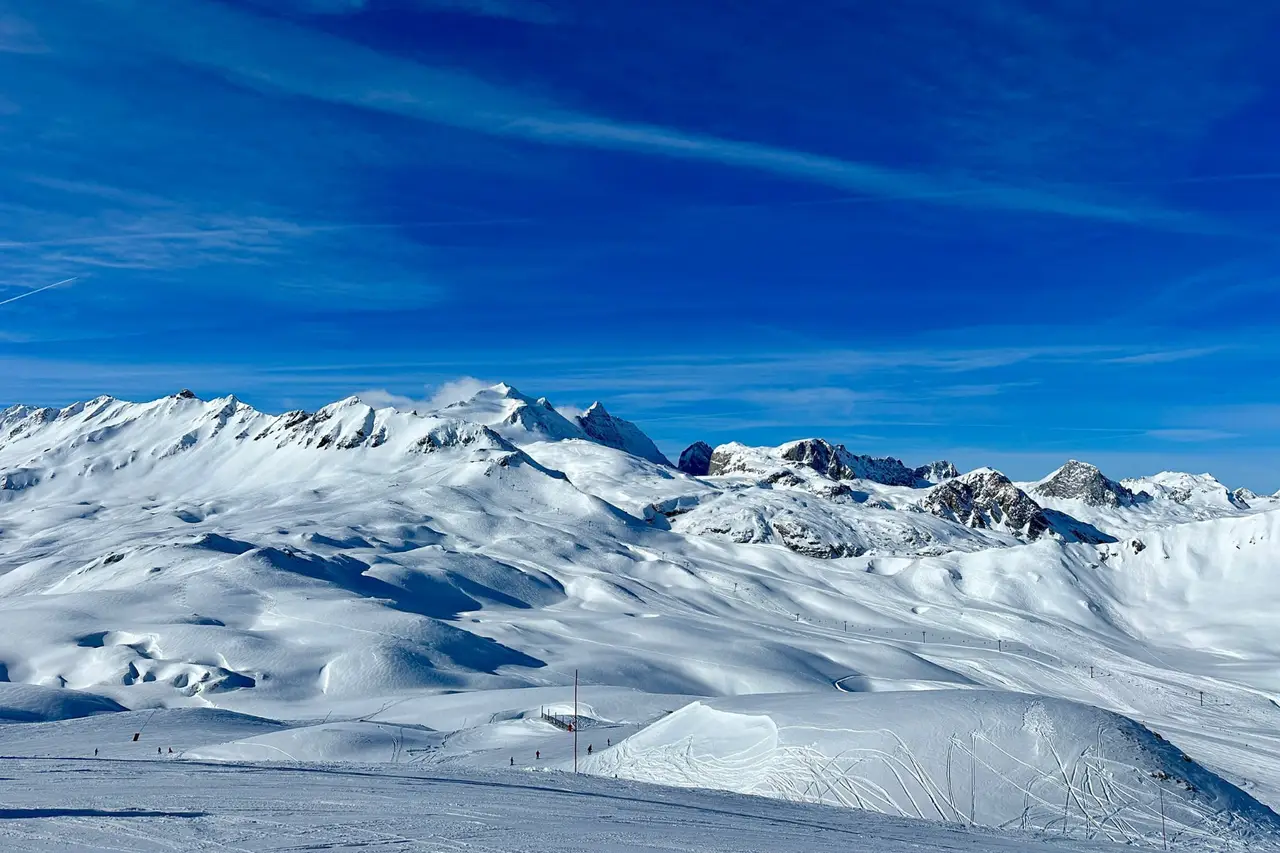
Val d'Isère is a sporty resort, where good skiers find everything they could wish for, on and off the pistes. Is it a beginners' resort? No. Can beginners have a great time here? Absolutely: there are dedicated learning areas, and the lifts let you ride back down to the village and avoid the technical sections.
Where to ski for your level
- BeginnersStart on the learning areas at the top of Solaise and on the Bellevarde plateau, then move on to Bellevarde's golden triangle of easy runs: La Verte, Borsa and Grand Pré.
- IntermediatesPlan Millet from the Glacier chairlift; Montet, Pissaillas and Moraine on the Pissaillas glacier; and La Diebold, from the top of Bellevarde down to La Daille.
- Advanced skiersThe legendary Face de Bellevarde and its even steeper neighbour, L'Épaule du Charvet; L'Arcelle, down into the Manchet valley; La Germain Mattis, winding through the trees of Le Laisinant; and the OK, from the top of Bellevarde to La Daille, for big turns and speed.
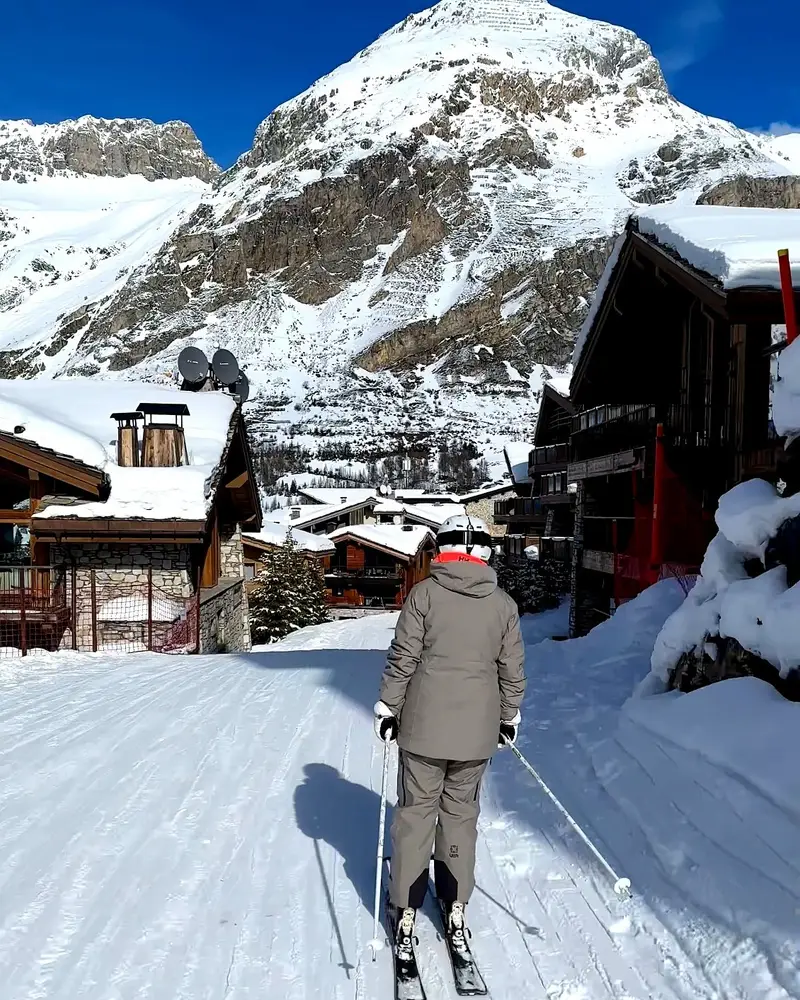
My number one tip: if you are an intermediate skier, don't hesitate to ride the lifts back down. The runs back to the resort get crowded and bumpy at the end of the day - the quickest way to lose confidence. Private ski lessons
Why ski with an instructor in Val d'Isère
- Best snow and conditions: the right sector at the right time, depending on the snow and the weather.
- Personal coaching: tailored tips to help you progress and enjoy your skiing in all conditions.
- Safest ways down: routes that avoid the technical sections when they don't suit your level.
- No lift queues: instructors and their clients use priority lanes at every lift.
- Lunch sorted: on full days, a table booked at the right restaurant for where we are skiing.
When to come
Every period has its charm, from late November to early May.
- Late November to Christmas: the first snow, fewer people, the passionate skiers.
- Christmas and New Year: a magical, illuminated village.
- January: true winter and cold snow - the connoisseurs' month.
- February: school holidays, but thanks to well-designed lifts, queues stay short.
- March: longer days, lunch on the terrace, and still big snowfalls for memorable powder mornings.
- April and May: spring-skiing paradise. With slopes facing every direction, it is the ideal time to discover off-piste in spring snow - often easier technically - playing with the sun as it softens the snow.
Val d'Isère is now busy all winter: book early to secure the right accommodation and the right instructor. My prices stay the same all season. See all prices
Lunch on the mountain: let me book it
The mountain restaurants match the lifts: varied, high quality and well thought out. Rather than a list, here is how I do it: on full days, I choose the restaurant that fits the sector where the snow is best that day, and I book the table.
Among the classics, Le Signal, above Le Fornet, is a table I recommend, and La Folie Douce on Bellevarde is the place to be from 4 pm, dancing on the slopes.
Skiing on your own? Book on the morning itself; for groups of more than 10, it is best to book the day before.
Snowy days and off-piste safety
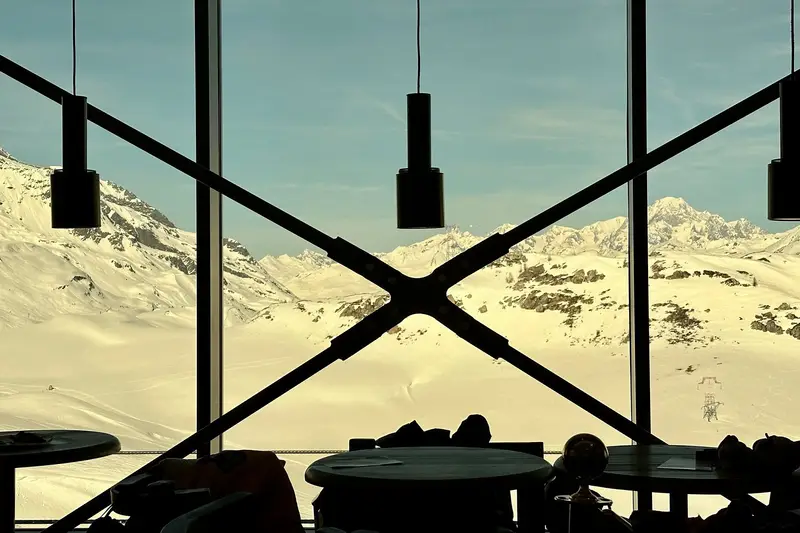
On snowy days, ski the pistes through the trees: they give contrast and better visibility. In Val d'Isère, we are lucky to have trees at Le Fornet, Le Laisinant, the bottom of Solaise and La Daille.
When it snows, dress warmly and wear goggles: snowfall often comes with wind and cold. Visibility drops and it is easy to get lost off-piste where the terrain has little relief, so stay on the pistes and take regular breaks. Poor visibility upsets your balance and pushes you onto your heels, which uses much more energy - and the pistes are less well groomed.
The sunny day after a snowfall is often the most critical: everyone rushes off-piste to make first tracks and thinks less about the objective dangers.
Never go off-piste alone. It is not only about avalanches: a simple fall that leaves you stuck, or a minor injury, and nobody is there to help. And never follow tracks if you don't know the route - they can lead to impassable or even deadly terrain, such as cliffs. A track is never a guarantee of safety. Off-piste skiing
Practical tips
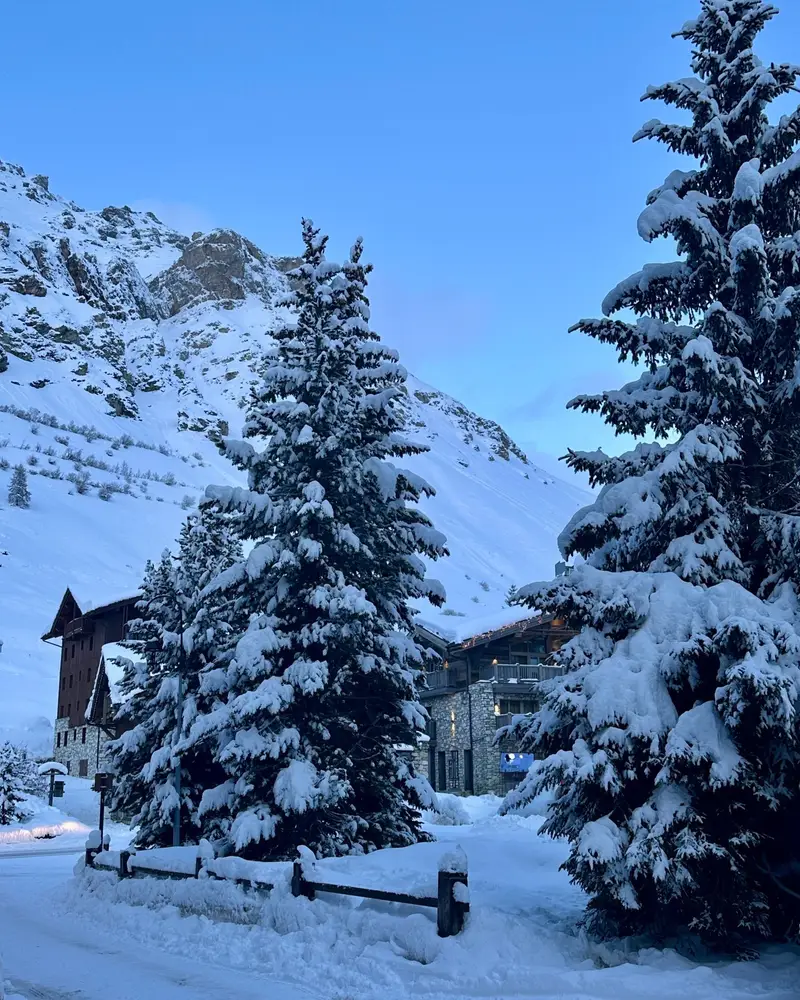
- Equipment rental: I recommend Chez Mattis Intersport and Sport 2000 Boraso Sport. You can book online, but the shops have more choice and the teams are trained to help you choose the right equipment for your level.
- Lift passes: beginners and lower intermediates can buy day by day, online or at the machines (valdisere.ski). A Val d'Isère-only pass, or a 4-consecutive-hours pass, is enough for afternoon lessons. Good skiers: take a 6-day Tignes-Val d'Isère pass and forget about it for the week. Staying more than two weeks? A season pass is worth it.
- Getting around: free shuttles run every 5 minutes from 7:00 to 18:00, then every 20 minutes until 2:30; an app shows them live (valdisere.com).
- Arrival day: if you can, travel Sunday to Sunday. Most guests arrive on Saturday, with busy roads and queues at check-in and in the rental shops.
Beyond Val d'Isère
Tignes is linked to Val d'Isère by the lifts, so switching is easy. It is often busier (more beds for the same number of lifts), so go at off-peak times.
A day in Italy: La Rosière and San Bernardo
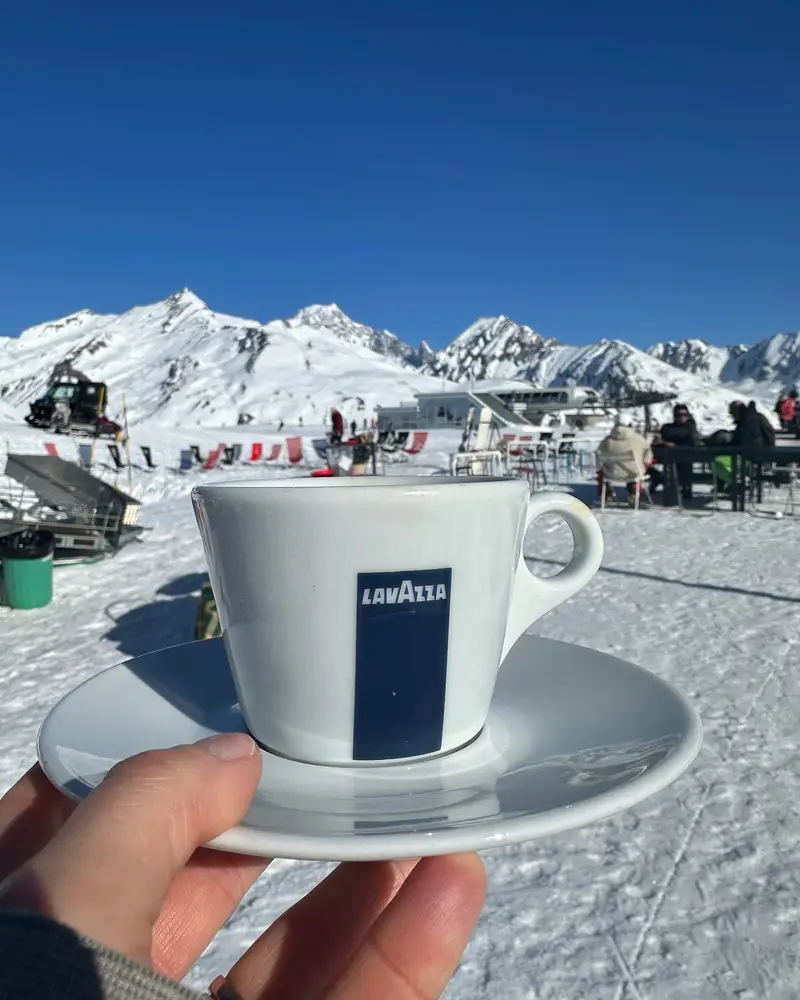
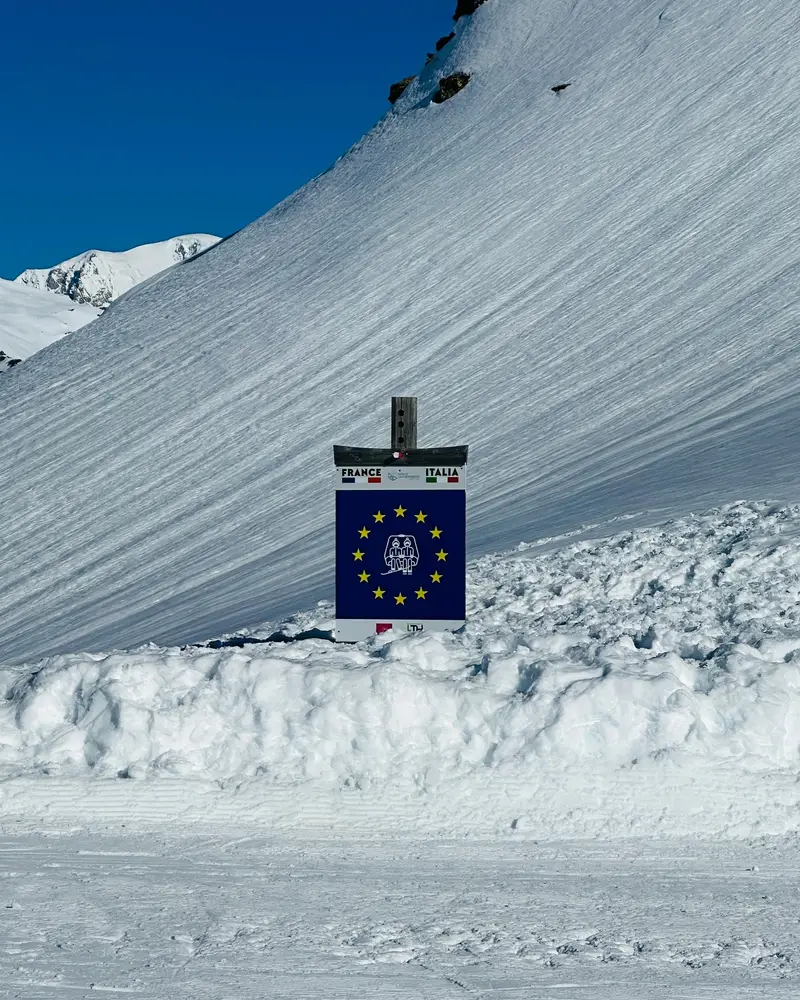
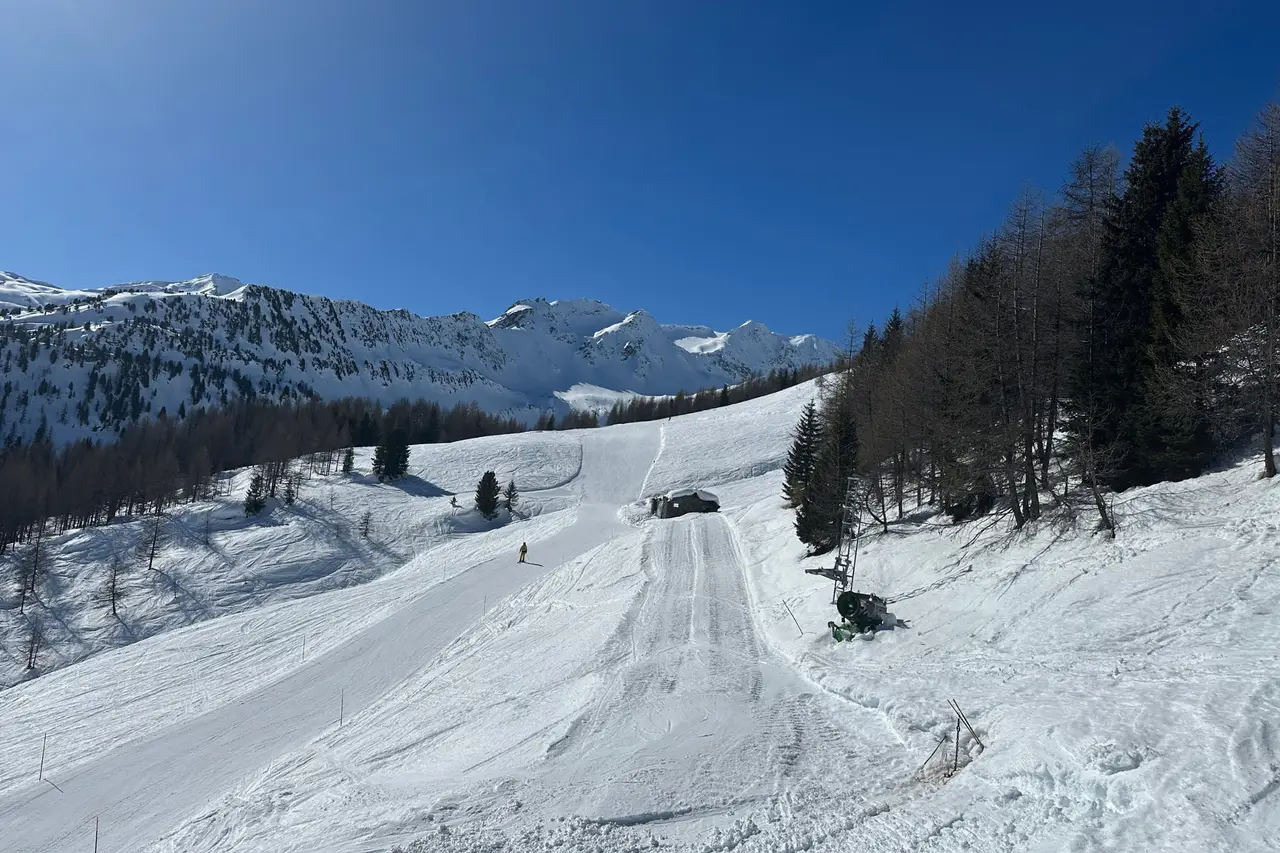
La Rosière and the Espace San Bernardo are another story: about 40 minutes by road, for a day in another resort and another country. Enjoy a real Italian ristretto and proper home-cooked pasta, with a magnificent view of the Italian side of Mont Blanc.
Skiing in Italy can be quite technical: some steep to very steep pistes, perfectly groomed on hard snow, winding through the forest. Strong skiers can also plan a heli-skiing day from the Col du Petit-Saint-Bernard - ask me about conditions. A complete change of scene.